
Through Shipbuilding and Repair
Capitalizing on Decarbonization and Vessel Replacement Demand
Suzuki Shipyard Co., Ltd. (President: Naoto Murakami) aims to achieve growth through both its new shipbuilding and repair businesses. In new shipbuilding, the company seeks to capture growing vessel replacement demand driven by decarbonization and the aging of existing vessels. In its repair business, it is expanding services in collaboration with a specialist ship repair company.
The company is also considering capital investment as it works to establish an integrated system capable of handling everything from ship construction to repair. In autumn last year, Suzuki Shipyard became part of Niwa Holdings, headquartered in Osaka, which has a strong financial foundation.
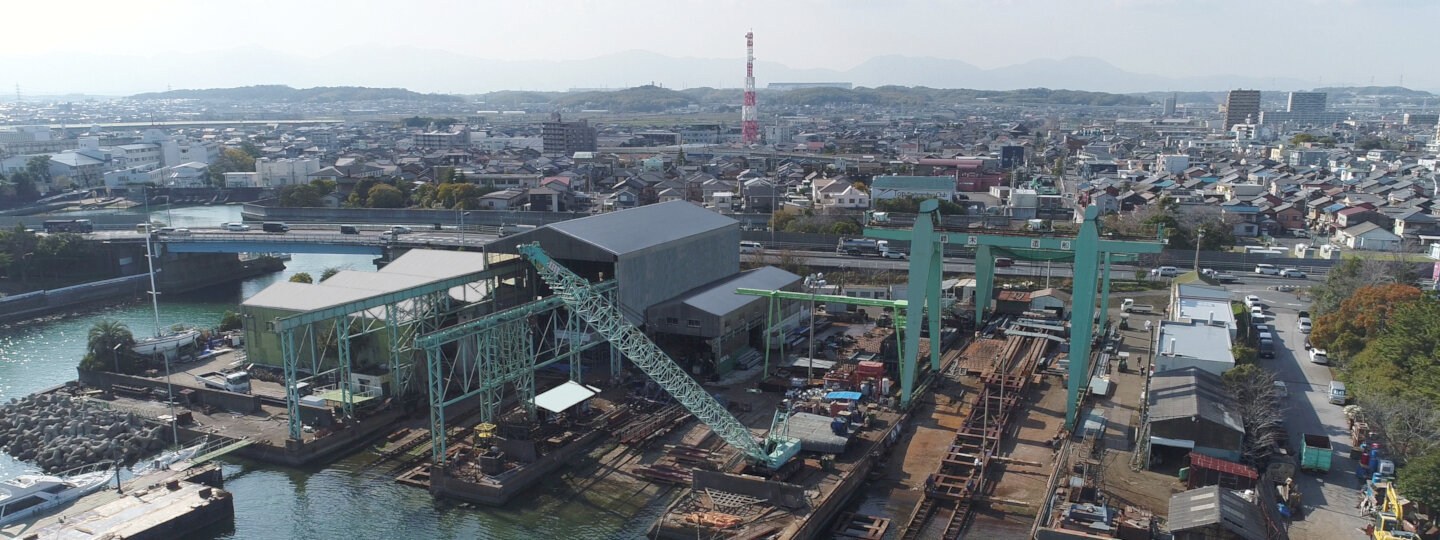
Suzuki Shipyard builds vessels such as small tankers and high-speed aluminum craft, while also providing repair services for existing vessels. The company operates its own dock at its waterfront headquarters.
Its core new shipbuilding business can accommodate vessels ranging from under 5 tons to approximately 1,000 tons, with four to five vessels built annually. Amid the ongoing shift toward decarbonization, demand remains strong for vessels powered by alternative fuels such as LNG (liquefied natural gas), which produces lower carbon dioxide emissions than conventional heavy fuel oil, as well as for the replacement of aging vessels. As a result, the company's order book is filled through around 2030.
In its repair business, Suzuki Shipyard has entered into a business alliance with Toba Dock, a ship repair specialist headquartered in Toba City, to strengthen its order intake. By collaborating on repair technologies and expertise, the two companies aim to provide high-quality repair services. Suzuki Shipyard currently handles approximately 20 to 30 vessels annually and plans to increase this number by around 20 through its partnership with Toba Dock.
In October last year, Suzuki Shipyard became part of Niwa Holdings, which operates businesses including real estate and the sale of machinery and components. Suzuki Shipyard had operated independently since its founding, but concluded that becoming part of a corporate group with a strong financial foundation was the best way to stabilize its management and accelerate business growth.
Commenting on its parent company, President Murakami said:
"Rather than pursuing profits alone, Niwa Holdings places importance on corporate value, growth, and contributions to society, and supports its group companies in pursuing their aspirations and envisioning their future."
Suzuki Shipyard is considering capital investment within the next one to two years. Plans include developing an outfitting quay where newly launched vessels can be moored for the installation of engines, electrical systems, and other equipment, as well as upgrading to larger cranes.
The company is also stepping up recruitment efforts to support its business expansion. As early as this autumn, it plans to launch recruitment advertising at airports and railway stations in the local area, as well as in Tokyo and Osaka.
Suzuki Shipyard has set a revenue target of ¥10 billion for the fiscal year ending September 2034. The company is also exploring collaboration with small and medium-sized shipbuilders across Japan.
By Hiroyuki Masuda, Yokkaichi
Company Profile
- Head Office: 1-1-3 Fuso, Yokkaichi, Mie, Japan
- Tel: +81-59-365-7311
- Founded: 1907
- Revenue: Expected to be just under ¥4 billion for the fiscal year ending September 2026
- Employees: Approximately 40